Impact On Humans

Image result for water

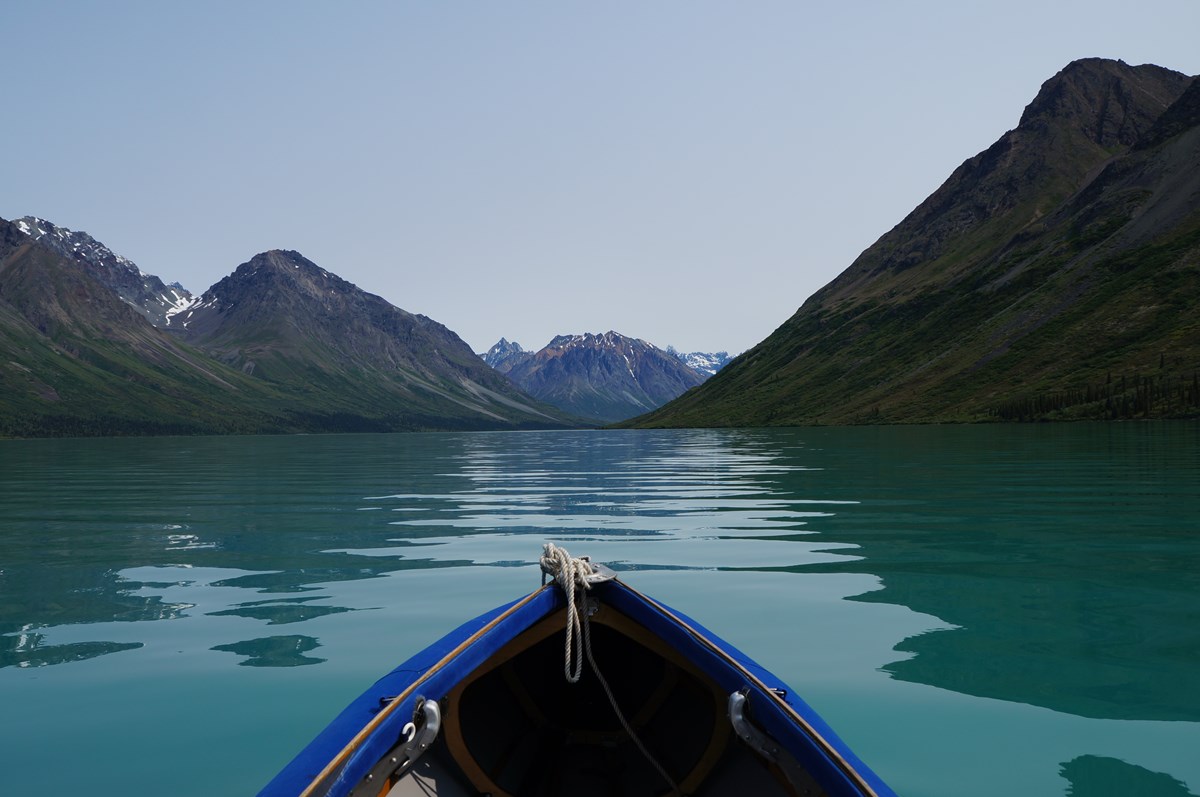
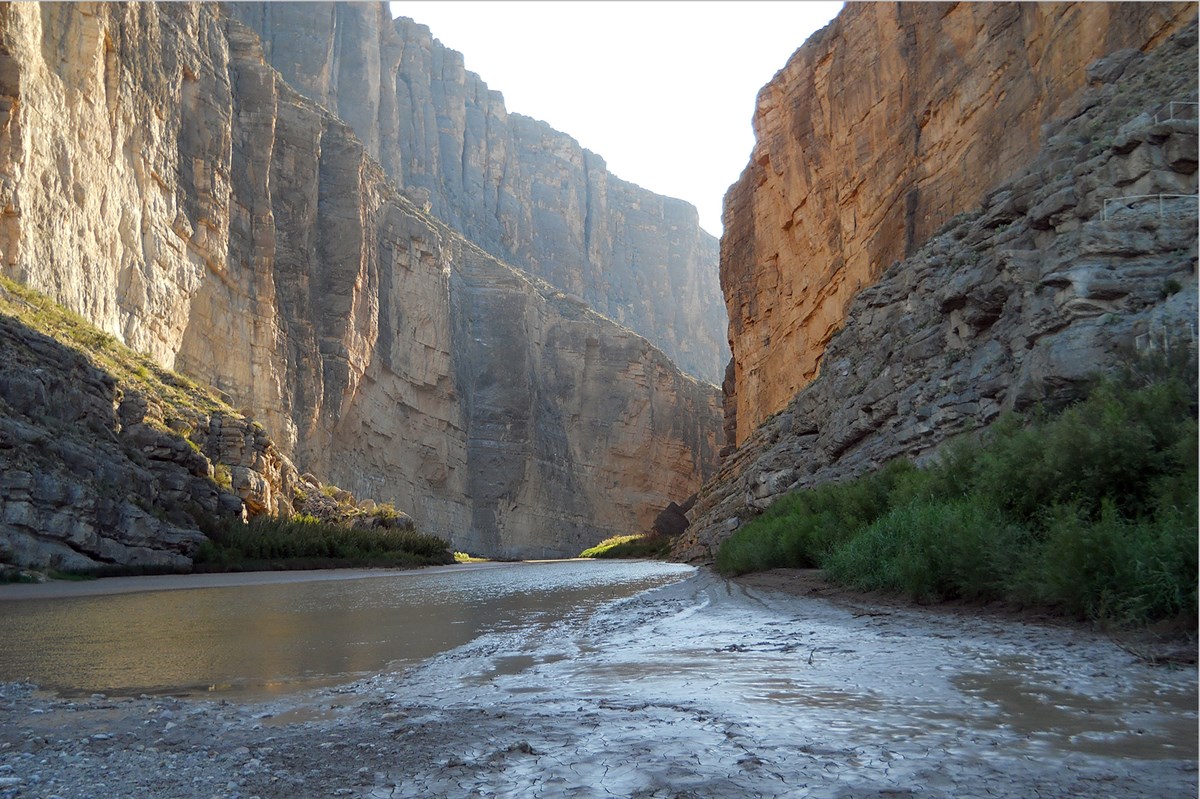
Water systems can have a huge impact on humans. Depending on a water system, fresh water could more or less difficult to access. Certain eco-systems can be shaped differently with different water systems. This could affect where we fish, farm or hunt. Water systems define how water, the most important item for us, is used and moved. Water systems are mainly associated with water and we need that water.


Climate And Precipitation

Water systems can affect climate and precipitation. Whether positive or negative it definitely does. Here are a few ways!

Image result for moisture

Large bodies of water: Oceans, seas, and large lakes affect the climate of an area. Water heats and cools more slowly than land. So during summer, coastal regions will stay cooler and in winter warmer. This creates a balance.

Moisture: If an area has more moist air, than it is most likely to rain there more often.

Why Is Water Testing And Processing Important?

Image result for contaminated water


Water testing and processing is so important because water is very needed and very vulnerable. Water can get contaminated so easily, and if it is, our health is at risk. Various illnesses can spread, it can affect our ecosystems, etc… As much as we need it, we still need to be careful, as it can bring us a totally opposite effect.

Testing Water Quality

There are many standards to assess water quality with. However, the most common standard used, relates to the health of ecosystems, human contact safety and drinking safety. Here are some ways we test water!

Image result for testing water


Turbidity: Sediment makes water turbid or unclear. Clear water is of better quality. This is tested simply by looking at the water.

Temperature: Warm water has less dissolved oxygen than cold water. If the water does not contain enough oxygen, aquatic animals may die. This can be tested with a thermometer.

Acidity: Water becomes acidic if it contains certain dissolved chemicals, such as sulfuric acid or nitric acid. Most fish cannot reproduce in acidic water. This can be tested with an indicator that turns into different colours in acidic and basic solutions.

How Water Is Processed: Steps

Everyday we use water just by turning on a tap, but do you ever wonder how? I mean the water does come from lakes or rivers, but who knows how clean they actually are. Well, here are some steps people take, to make sure the water is fresh and clean to use!


Image result for water process


Step 1: Removing large objects. A metal screen covers the end of a pipe that drains water from its source.

Step 2: Water enters a large tank where alum is added. The alum is stirred and forms small, sticky lumps that attract most of the solid waste floating in the water. This waste is called floe.

Step 3: The water and floe enter a settling tank. The water flows slowly to allow the floe to settle at the bottom of tank.

Step 4: The partially cleaned water from the top of the tank moves through a sand Andy charcoal filter.

Step 5: Chlorine or ozone may be added to the water to kill microorganisms.

Step 6: The treated water is stored in sealed containers, ready for use.